
How to Trim and Cut a Whole Cube Roll
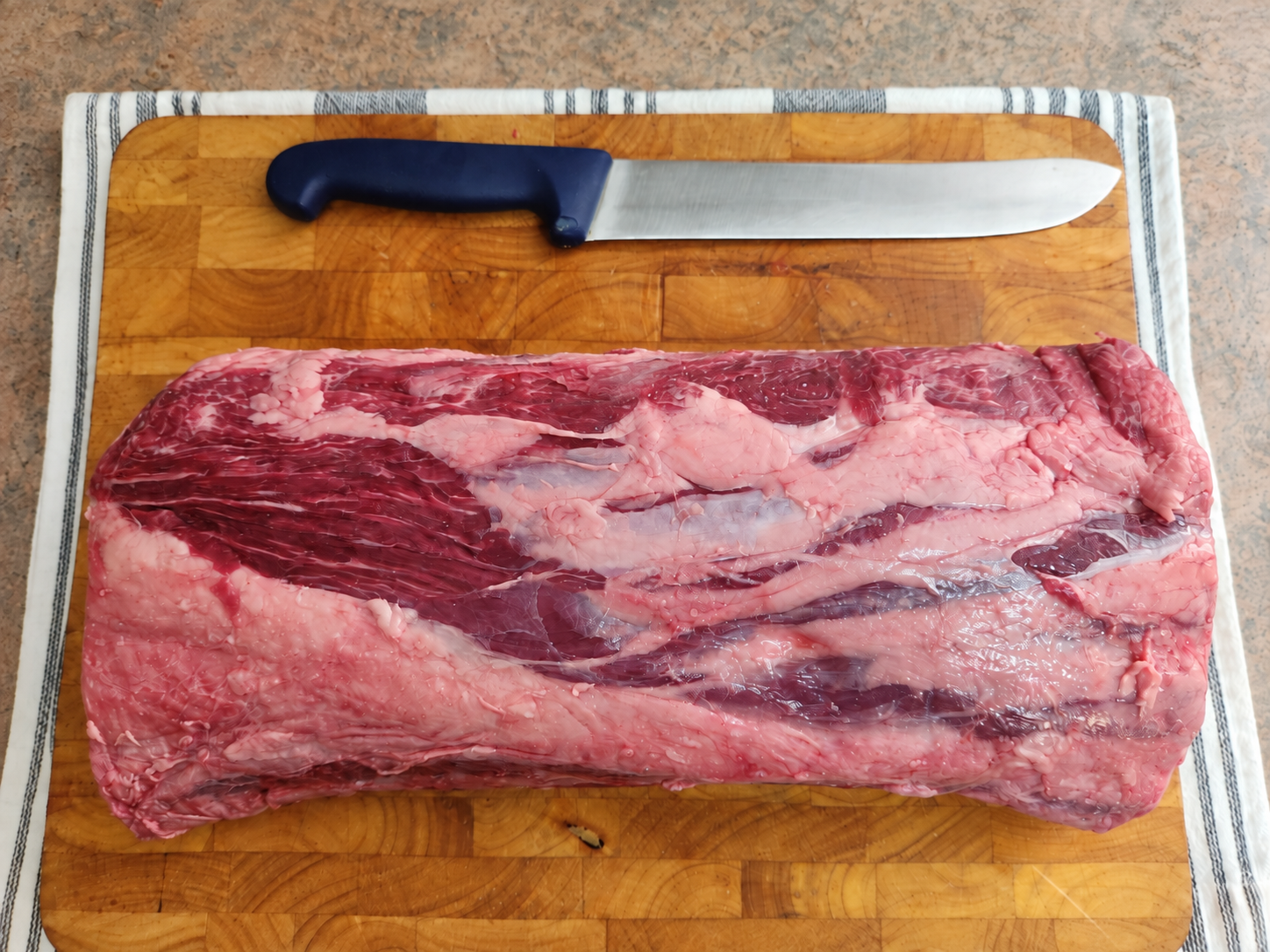
Cube roll is known by a few different names depending on how it is boned and sold. A boneless cube roll is also known as Scotch fillet. If the bone is left in, it becomes a ribeye steak, and if the bone is left very long it is often called a tomahawk.
Cube roll comes from the forequarter and sits between the chuck and the striploin. It is one of the more expensive cuts, with marbling that gives it flavour and tenderness. It is mostly used for steaks, steak sandwiches or a roast.
Use the whole cut wisely. Planning steaks, a roast section, smaller portions and suitable offcuts around the meals you intend to make helps reduce avoidable food waste.
Budget Tip
How to Spot the Best One in the Bunch
Not all cube rolls are equal. Look for marbling, shape and fat, then give it a squeeze — you want it firm with a little give.
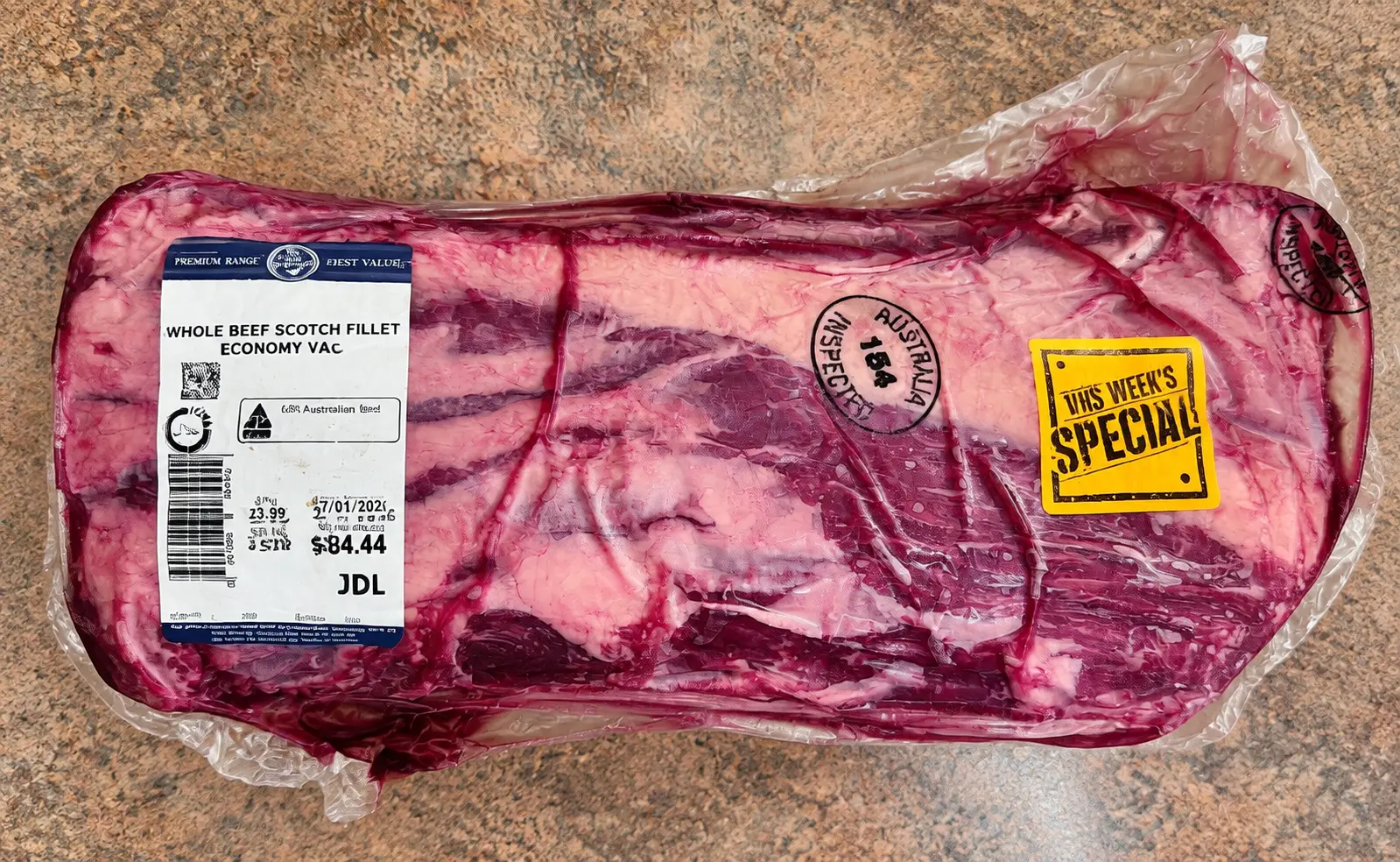
What did $84.44 get me?
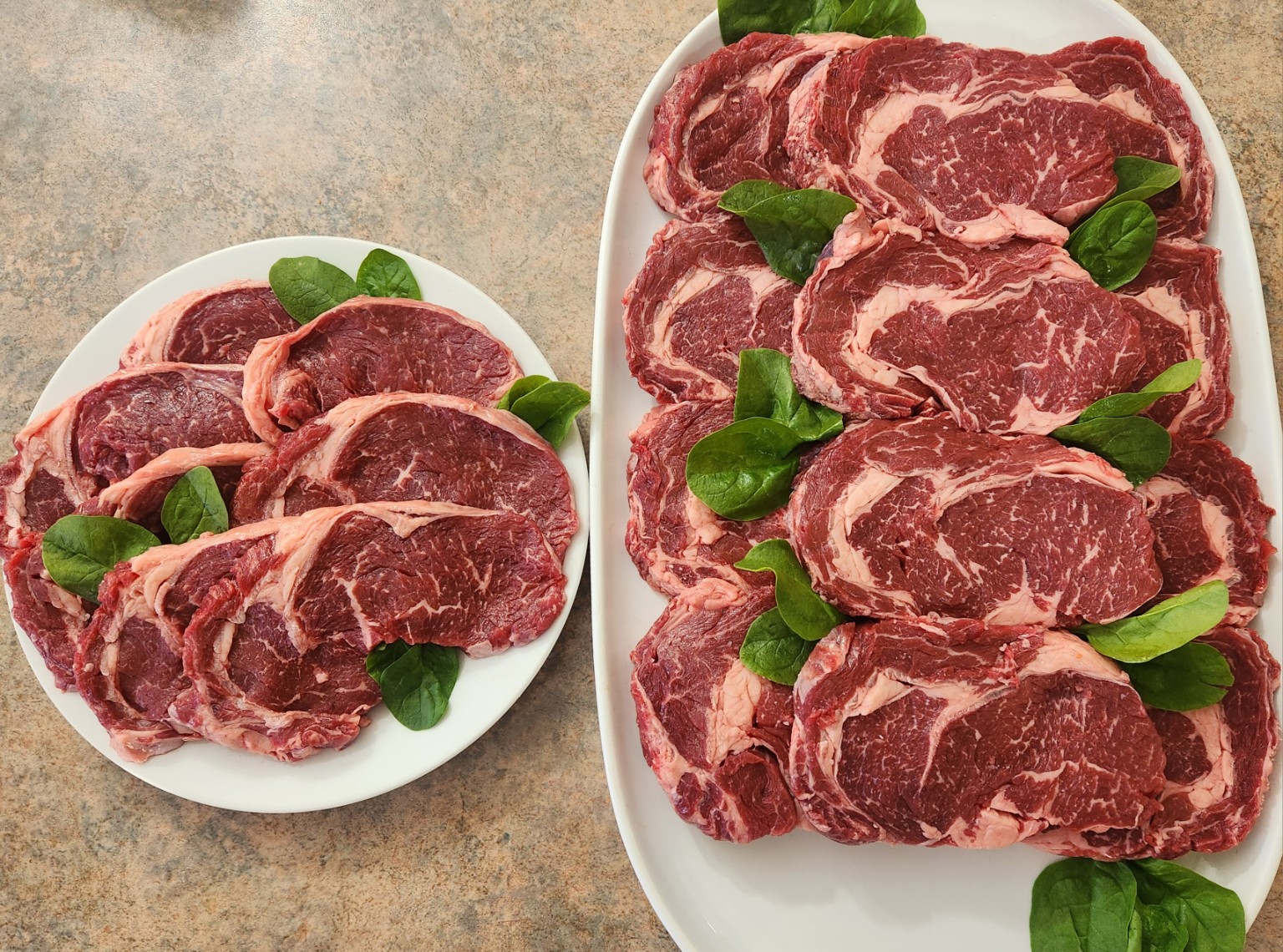
3.52 kg at $23.99/kg gave me 12 good-sized steaks, 7 sandwich steaks and a little diced beef.
Buying the whole piece can be great value when you know how to cut it.
 1
Prepare and Dry the Cube Roll
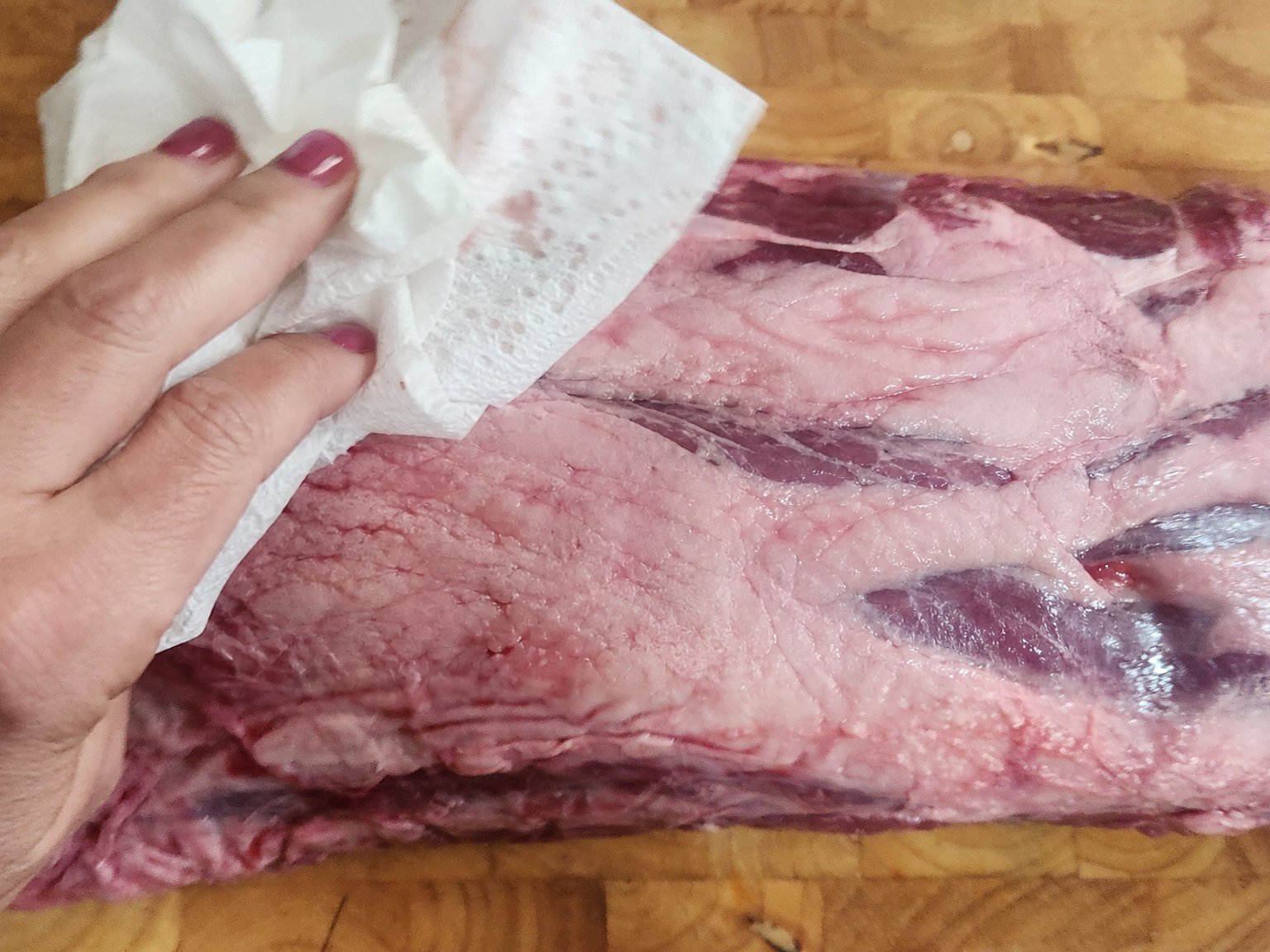
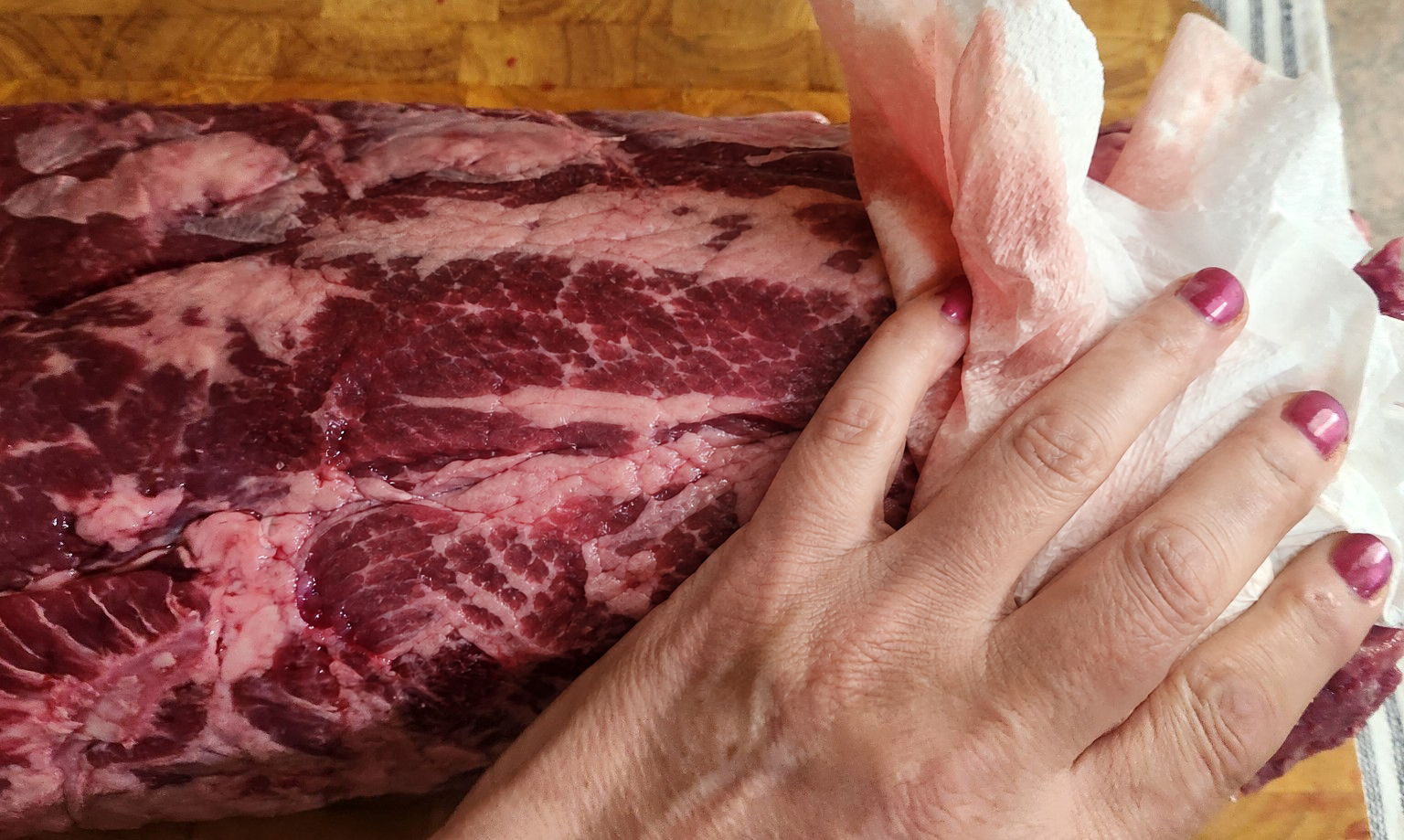
Remove the Cube Roll from its packaging and pat it thoroughly dry with paper towel. Drying the surface makes the meat easier and safer to handle.
 2
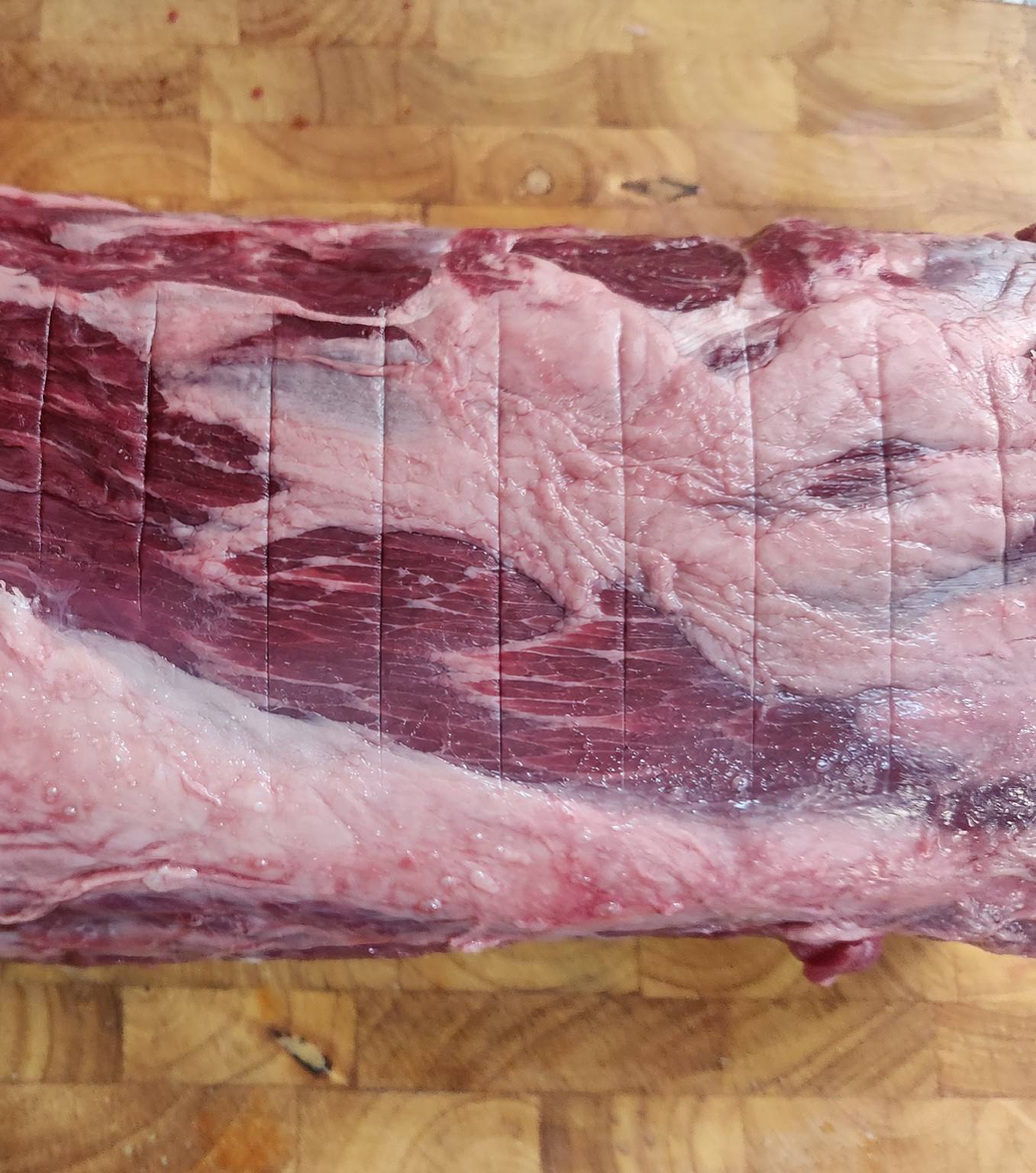
Look Over the Cube Roll
Check the whole cut and trim only unwanted loose pieces or excess fat where necessary. There is usually not a lot of excess fat on a Cube Roll.
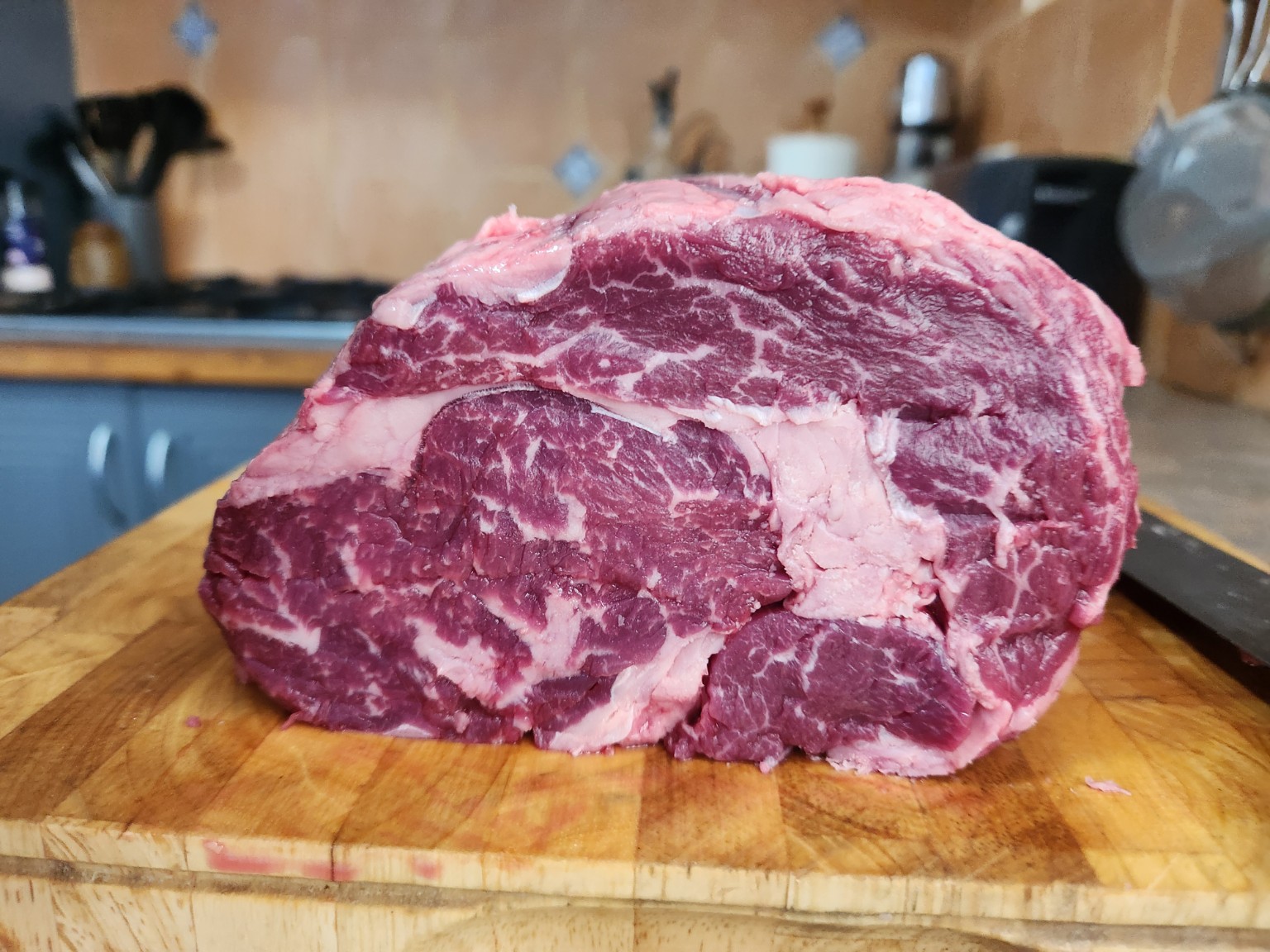
When you look at the side of the roll, you will notice the fat forms a C or O shape. This is the taller end of the Cube Roll. Position this end furthest away from you; the end closest to you is where you begin portioning.
 3
Plan Your Cuts
Decide how the Cube Roll will be used before cutting. It does not all have to become identical steaks.
Plan steaks, a roast section or smaller portions according to the meals you intend to make. If you want a full Cube Roll roast, prepare the piece as a roast instead of cutting the whole piece into steaks.
 4
Portion the Scotch Fillet Steaks
Using a sharp knife, clean up the end of the Cube Roll so it is straight. Keep those clean offcuts for another meal if suitable.
Cut the steaks to suit how you plan to cook them. Michelle's preference is roughly a thumb thickness.
For a clean cut, angle the blade so the tip meets the board on the far side of the meat. Draw the knife back towards you while lowering the blade through the steak, keeping the tip in contact with the board. Continue the stroke until the steak is cut cleanly. Avoid sawing backwards and forwards through the meat.
 5
Your Steak Yield
The finished Scotch fillet steaks show the yield from this whole cut. Thickness and yield will depend on how the Cube Roll is portioned.
If the final piece is uneven, use it with your earlier offcuts rather than forcing it into an uneven steak.
 6
Keep the Useful Offcuts
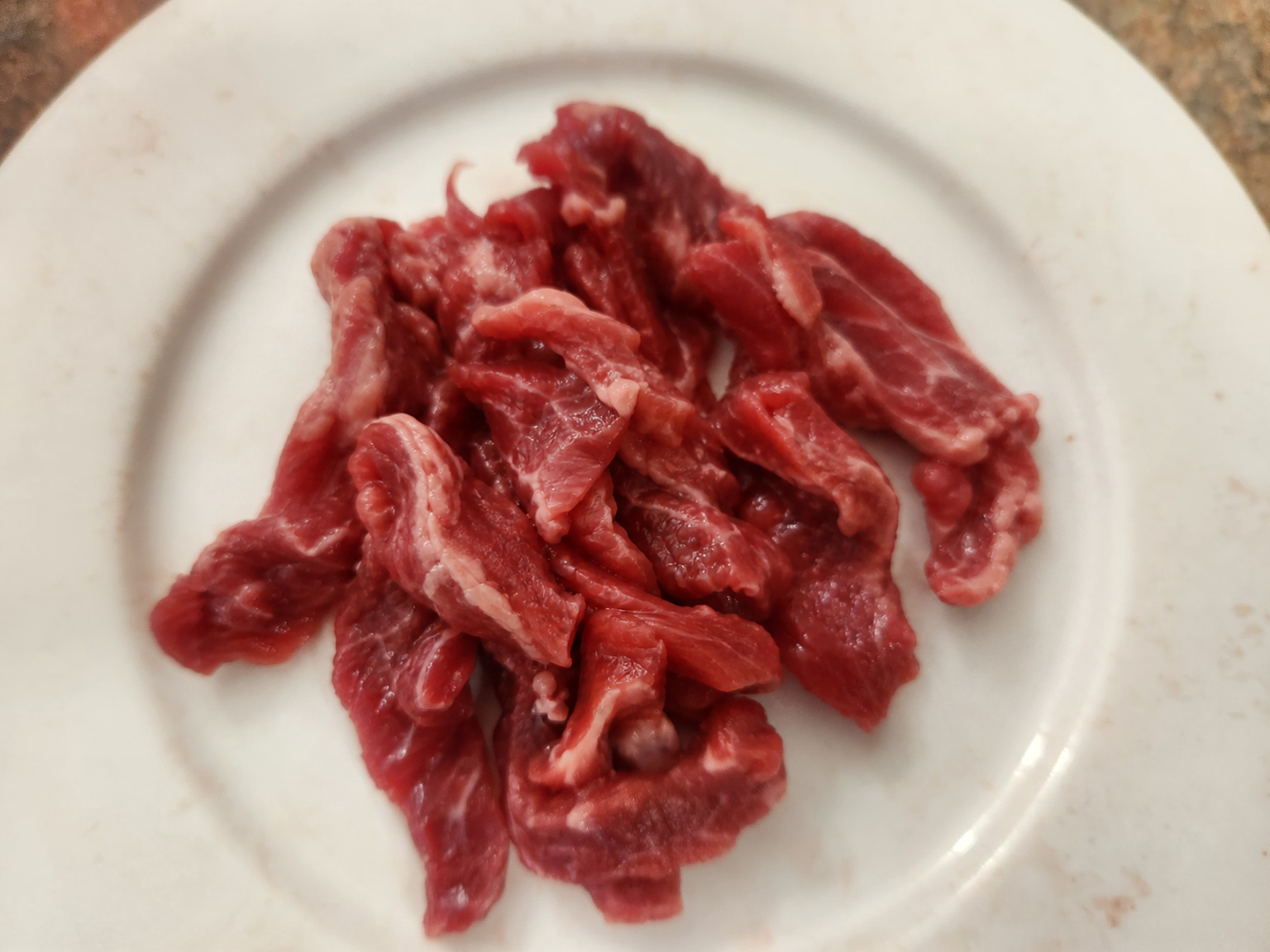
Clean suitable offcuts do not need to be wasted. They can be used for stir-fry, curry, skewers, wraps or another meal.
If the meat is soft but firm and smells fresh, small clean offcuts can be used. If the colour is dark or you are unsure about the meat, do not use it.
 7
Portion for Storage
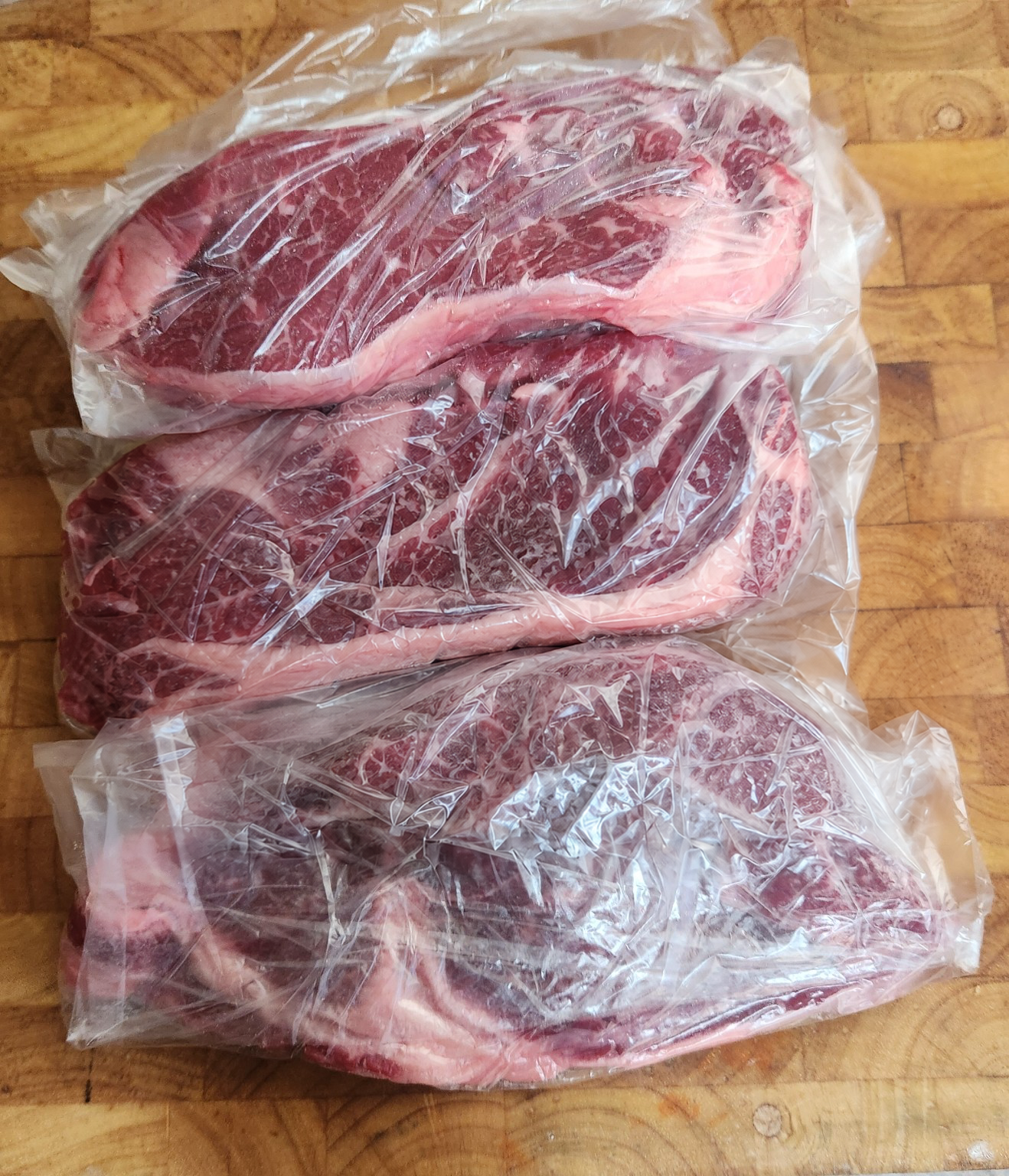
Divide the meat into useful serving sizes before freezing so only the amount required for a meal needs to be defrosted.
 8
Label and Date
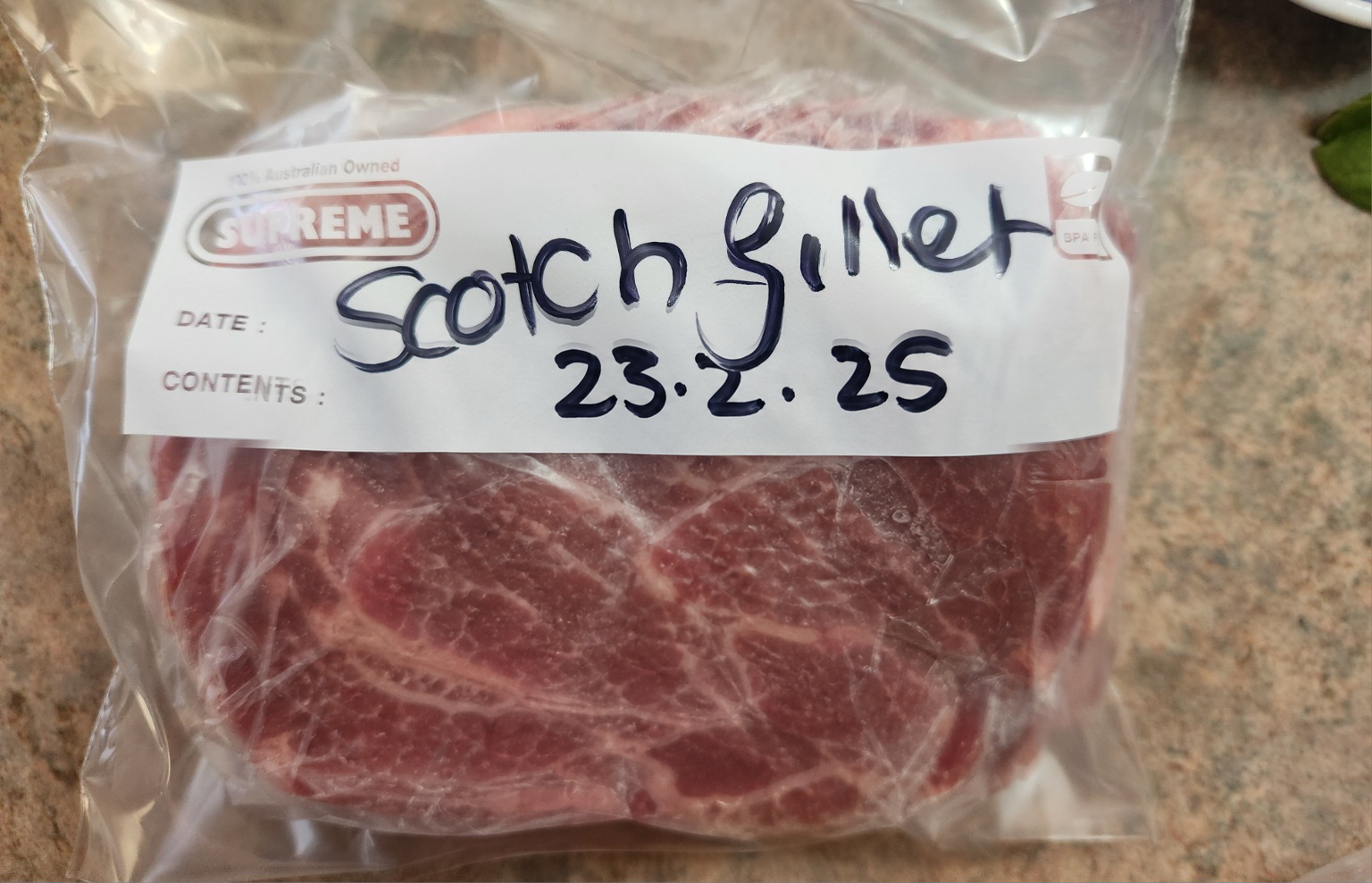
Wrap or bag the portions properly, label what they are and add the date before freezing.
One Whole Cut, Different Options
This is why learning basic butchery is useful. You don’t have to turn the whole piece into identical steaks. Depending on what you need, you can portion the cube roll into steaks, keep a section as a roast, use smaller clean pieces for skewers or dice, and dress individual steaks for something a little different. Use what you have and portion it for the meals you actually plan to cook.
Butcher’s Tip
If you want your steaks to look especially neat when serving guests, you can help them hold a rounder shape before cutting. After trimming the cube roll, wrap it firmly and evenly, then chill it until it firms slightly. Portion the steaks once the meat is firm enough to hold its shape. Do not freeze solid before cutting.
Storage
Refrigerate raw beef promptly and follow the use-by date and storage instructions on the original packaging. Once the vacuum packaging is opened, storage time can change, so keep the meat cold, covered and use it promptly. Freeze portions you will not use in time, wrapping them well to protect against freezer burn. Label and date frozen portions.