
A recipe is a guide, not a test.
You are allowed to change it.
You may need to substitute an ingredient because of an allergy, coeliac disease, another dietary requirement, cost, availability or simply personal preference.
That does not mean the recipe has failed.
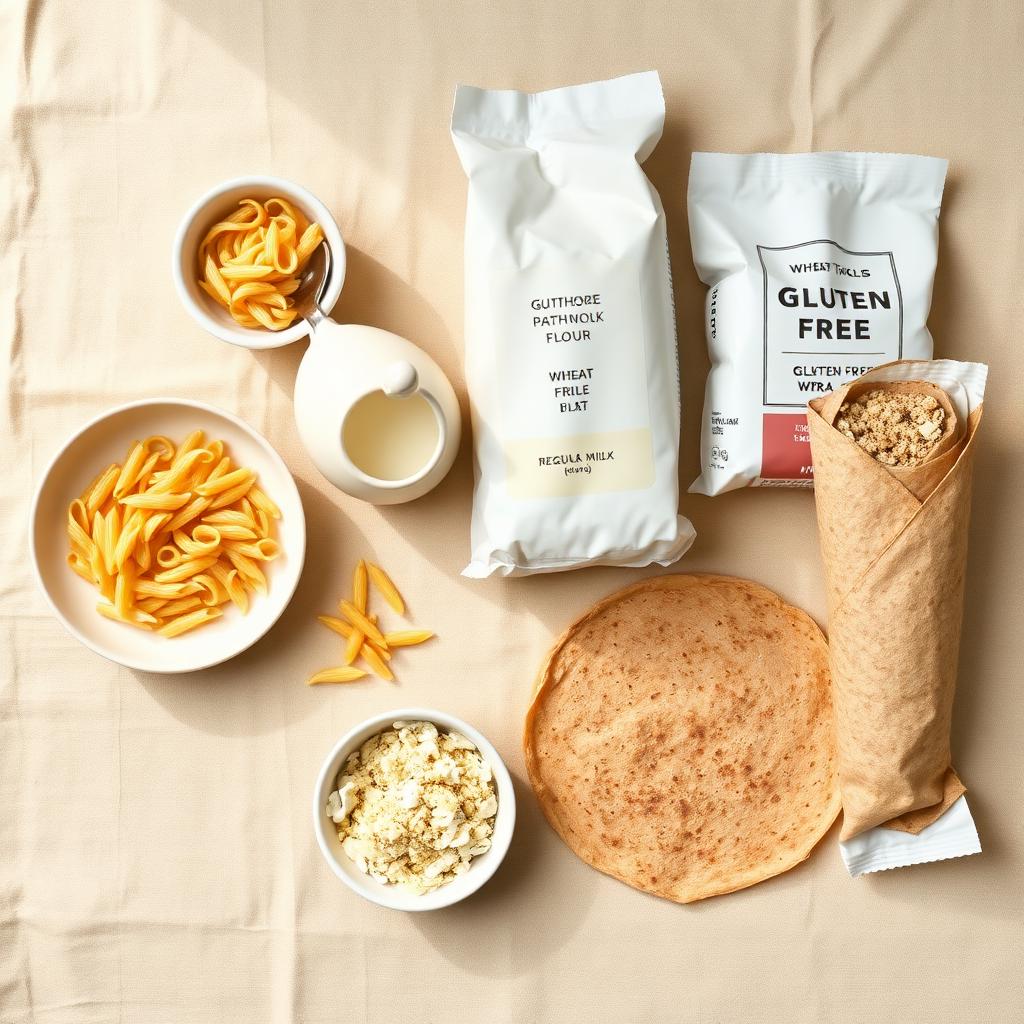
I am coeliac, and I regularly prepare familiar meals using gluten-free pasta, bread, wraps, flour, breadcrumbs and sauces.
The meal can still have the same purpose, flavour and enjoyment, even when one product has been exchanged for another.
The important part is choosing suitable products and understanding that different brands can behave differently.
ASK BEFORE YOU COOK
Before cooking for friends or family, ask whether anyone has a diagnosed food allergy, coeliac disease, an intolerance, another dietary requirement, or ingredients they need to avoid.
Never assume that a small amount will be safe.
For people with serious allergies or coeliac disease, cross-contact can matter as much as the ingredients themselves.
CHECK EVERY LABEL
Read the packaging every time, including products you have bought before.
Ingredients, recipes and manufacturing processes can change.
Remember to check sauces, stocks, seasonings, marinades, spice blends, breadcrumbs, processed meats, confectionery, and toppings and decorations.
Use products that are clearly suitable for the person you are cooking for.
USE WHAT YOU KNOW AND TRUST
Substitution becomes much easier when you use a product you already know and enjoy.
Gluten-free pasta, for example, can be used in many of the same dishes as wheat pasta. However, different brands may soften, break apart or absorb sauce at different rates.
Some gluten-free flours absorb more liquid than others. Dairy-free creams can thicken differently, and lower-cost sauces may be sweeter, saltier or thinner.
That does not mean they cannot be used. It means you may need to taste, observe and adjust.
ADJUST THE BALANCE
When changing a product: add liquid gradually, allow sauces time to thicken, taste before adding extra salt or seasoning, check the texture before adding more flour, watch pasta closely while it cooks, and make small adjustments rather than changing everything at once.
A cheaper product may work perfectly once you learn how it behaves. Keep testing until you find the balance and brands that suit you.
YOU KNOW WHAT YOU LIKE
Cooking is personal.
Some people prefer a thick sauce. Others like it looser. Some enjoy stronger seasoning, while others prefer simple flavours.
The aim is not to reproduce someone else's meal perfectly. The aim is to create a safe and enjoyable meal for the people eating it.
Use the recipe as your starting point, then trust your experience, your taste and the products you know.
WHEN CROSS-CONTACT MATTERS
Where an allergy or coeliac disease is involved: use clean utensils, boards and cookware; clean the preparation area first; keep unsafe ingredients separate; avoid sharing contaminated butter, spreads or condiments; use fresh water and clean equipment; and do not use the same oil, toaster or crumbs unless it is safe to do so.
When the risk is serious, ask the person what precautions they require rather than guessing.
SUBSTITUTION BUILDS CONFIDENCE
The more often you adapt recipes, the easier it becomes.
You begin to understand what each ingredient is doing and which changes affect flavour, moisture, texture or structure.
That is not getting the recipe wrong. That is learning how to cook.
Use products that meet your needs. Choose the brands you know and love. Taste as you go, make small adjustments and do not be afraid to make the recipe work for you.