
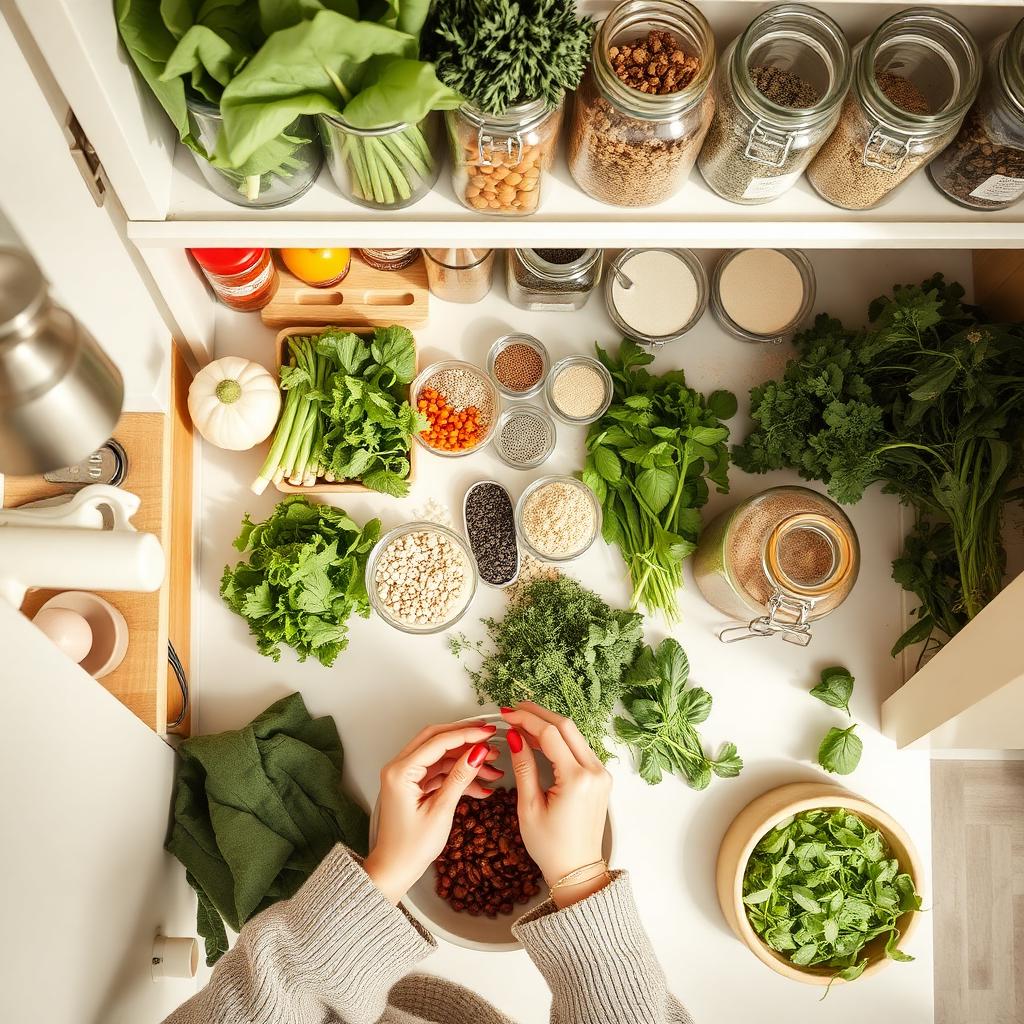
Food waste can feel like a problem that is too large for one household to influence.
Australia wastes around 7.6 million tonnes of food every year. Households contribute about 2.5 million tonnes, and the total economic cost is more than $36.6 billion annually.
Food waste also contributes around three per cent of Australia's greenhouse gas emissions.
Those are enormous figures, but they are made up of ordinary moments happening in kitchens every day.
A vegetable is forgotten at the back of the fridge. A second packet is bought because nobody remembered there was already one in the pantry. Leftovers are thrown away because there was no plan to use them. An ingredient is purchased for one recipe and never used again.
None of this means people do not care. Life is busy. Kitchens become disorganised. Plans change, and food can be easy to forget.
The good news is that reducing food waste does not require perfection. It begins with a few practical habits.
CHECK WHAT YOU ALREADY HAVE
Before shopping, look through your pantry, fridge and freezer.
Move older ingredients where they can be seen. Check dates and identify what needs to be used first.
This simple habit can prevent duplicate purchases and help you discover meals you can already make.
USE FOOD WITH THE SHORTEST LIFE FIRST
Plan meals around fresh ingredients that need to be used soon.
If mushrooms, spinach, herbs, vegetables or opened dairy products are approaching the end of their useful life, build a meal around them before reaching for longer-lasting pantry food.
BUY ONLY WHAT IS MISSING
A useful shopping list begins with what is already at home.
Once you know which meals you can make, write down only the ingredients that are genuinely missing.
This can protect the household budget and reduce the chance of more food being forgotten.
MAKE LEFTOVERS INTENTIONAL
Leftovers are easier to use when they already have a purpose.
Tonight's roast vegetables can become tomorrow's frittata. Cooked mince can become pasta, nachos or a jacket-potato topping. Extra rice can become fried rice.
A planned leftover feels like another meal rather than unwanted food.
FREEZE FOOD BEFORE IT SPOILS
The freezer is one of the most useful food-saving tools in the kitchen.
Freeze suitable bread, meat, cooked meals, sauces and ingredients while they are still in good condition. Label and date them so they can be found and used later.
DO NOT BE AFRAID TO SUBSTITUTE
A missing ingredient does not always require another trip to the supermarket.
Use what you already have where it is safe and practical. Different vegetables, pasta shapes, wraps, sauces and seasonings can often be substituted. The meal may be slightly different, but it can still be enjoyable.
START SMALL
You do not need to change everything at once. Begin with one action: check the fridge before shopping, use one forgotten ingredient, freeze one item before it spoils, turn one leftover into another meal, or avoid one duplicate purchase.
Small actions are easier to repeat. Repeated actions become habits.
THE IMPACT THOSE HABITS COULD HAVE
Australia has set a national target to halve food waste by 2030.
If food waste were reduced by 50 per cent across the currently reported national figures, the potential scale would be approximately 3.8 million fewer tonnes of food wasted each year, more than $18.3 billion in avoided economic loss, around 1.25 million fewer tonnes of household food waste, less food entering landfill, fewer resources used to produce food that is never eaten, and more grocery money remaining in household budgets.
These are illustrative estimates based on halving the currently reported figures. They are not a forecast or a guaranteed result from using Pantrix.
WHERE PANTRIX FITS
Pantrix is being designed to make these everyday actions easier. It aims to help households see what ingredients they already have, find meals using those ingredients, identify what needs to be used first, create a list of only what is missing, make practical substitutions, turn leftovers into useful meals and reduce unnecessary shopping trips.
Pantrix cannot solve food waste alone. Real change also involves households, businesses, producers, retailers and governments. But every household can take part.
One rescued ingredient may feel small. One avoided purchase may feel unimportant. One planned leftover may not look like national change. But when millions of small actions are repeated across Australia, their combined impact can be powerful.
You do not have to do everything. You simply have to begin with what you already have.
Written by Michelle Hanlon, Founder of Pantrix.